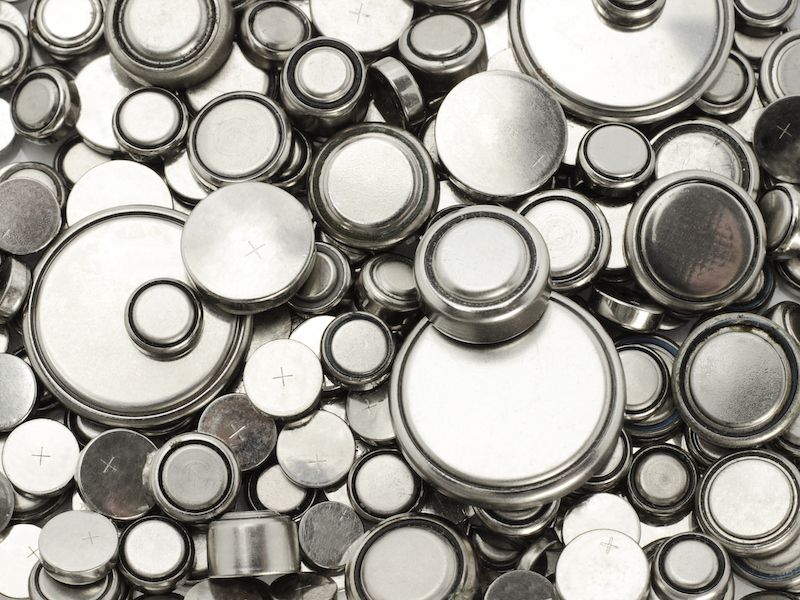
The trick to making hearing aids cost effective hinges on just one component–the batteries. It is one of the biggest financial concerns consumers have to deal with when shopping for hearing aids because the costs of replacing them can add up fast.
Even more concerning, what if the batteries quit at absolutely the worst moment? This is a big issue even for rechargeable brands.
There are things you can do to extend the life of the batteries in hearing aids, so you don’t have to stop and replace them a few times every week. Make the batteries last just a little bit longer by considering these 6 simple ideas.
1. If You’re Looking to Buy a Hearing Aid, be Smart About it
When you first start to shop for your hearing aids is when it all starts. Quality of brand and hearing aid features are a couple of the factors which dictate battery life. And some batteries are better than others. Cheap components and even cheaper batteries are what defines low quality hearing aids. You’ll be changing those batteries out all the time, so make sure to talk it over with your hearing specialist.
Make some comparisons as you shop and, also, consider what features are essential for you. Wireless models come with batteries that need replacing twice as fast as devices with wires. And the bigger hearing aids have longer lasting batteries. The smaller devices need new batteries every two days, but larger models can go for around two weeks on one battery. Recognize how all of the features of a hearing aid impact the power usage and then select the ones you require.
2. The Hearing Aids Need to be Stored Properly
To lessen drainage of power you will usually have to open the battery door at night. Also, you will want to:
A dry, cool place is where you should store the batteries. Batteries are adversely impacted by high temperature and moisture. The main thing is to keep them away from heat sources like light bulbs. Room temperature is okay.
Also, a dehumidifier is a smart idea. It’s one of the best ways to protect both the hearing aids and their batteries. Their delicate components are easily destroyed by moisture in the air.
Call Today to Set Up an Appointment
3. Be Careful When You Change The Batteries
Begin with clean, dry hands. Moisture, grease, and dirt all impact battery quality. Don’t forget to leave the plastic tab in place until you are ready to use the new batteries, too. The latest hearing aid batteries mix zinc with the air to power on. But you want to be ready before that happens.
It is good to let them sit out for five minutes after you pull the tab but before you put them in. The battery could be extended by days if you do this.
4. Different Battery Sources And Batteries Can be Experimented with
Quality batteries will last longer than bargain ones, obviously. Don’t only think about the brand, though, but what types of hearing aid batteries you’re using and also where you buy them. If you buy in bulk, you can get good batteries for less at some big box stores.
If you purchase them online, especially from auction sites like eBay, be careful. Batteries have an expiration date that they need to be sold by. You shouldn’t use them once they expire.
The best way to get batteries at an affordable cost is to ask your hearing care specialist.
Call Today to Set Up an Appointment
5. Be Ready For The Unavoidable
Eventually, the batteries are going to die. It’s better if you have an idea when that will happen, so you don’t find yourself in a pinch. To keep track of when the batteries fizzle and need to be changed, make a schedule. Over time, you’ll get a feel for when you need replacements.
So you can determine what features have the biggest affect on the battery and which brand batteries are best for your device, keep a diary.
6. What Are the Alternatives to Batteries
Some current day hearing aids are rechargeable and that is one of the greatest features. If you can save money on batteries, it will be worth paying a little more initially. Rechargeable batteries are probably the best option if you need a lot of features such as Bluetooth or wireless.
The batteries that make hearing aids work can be as substantial an investment as the hearing aids themselves. Extending the life of your batteries and saving cash begins with a little due diligence. To find out what your best option for you is, schedule an appointment with a hearing aid specialist.